
In a strategic maneuver to boost efficiency and harness synergies, Hamburg-based Tchibo, a powerhouse in the European coffee industry, has made a decisive move. The company has chosen to consolidate its UK and Ireland businesses under the esteemed Scottish brand, Matthew Algie & Company Limited. This bold merger includes Tchibo Coffee Services and Capitol Foods, acquired in 2016 and 2018, respectively. The unified entity will now operate under the banner of Matthew Algie.
A Brief Glimpse Into Tchibo:
Tchibo, with a global presence spanning over 60 countries, boasts a diverse portfolio featuring renowned names such as Davidoff Café, Smokin’ Bean, Piacetto, and Caffè Molinari. The company manages 550 branded coffee shops across Germany and an additional 320 in Austria, the Czech Republic, Hungary, Poland, Slovakia, Switzerland, and Turkey. Despite impressive sales of €3.24 billion ($3.53 billion) in 2022, Tchibo faced challenges, grappling with an annual EBIT loss of €167 million ($182 million) attributed to rising raw material, energy, and freight costs. Responding to these challenges, Tchibo appointed Erik Hofstädter as its new CEO in December 2023.
Is Bigger Better for Customers?
The consolidation of Tchibo’s UK and Ireland businesses under the Matthew Algie brand prompts a crucial question: Is bigger better for customers? In an industry that constantly expands into new markets, this move signifies a strategic effort to grow revenue sources.
Considerations for Local Customers:
While a consolidated brand may seem advantageous, local customers are encouraged to consider the broader global environment and the associated commodities within the industry. Mergers can bring about positive changes, such as expanded product offerings and operational efficiencies. However, potential challenges should be on the radar when considering contracts for machines and supplies.
Potential Changes Customers May Experience:
Reduced Competition:
The consolidation might lead to reduced competition, potentially impacting choices and resulting in higher prices and decreased innovation. The coffee industry is filled with local suppliers offering alternatives tailored to specific markets.
Efficiency Improvements:
On a positive note, operational synergies may lead to streamlined processes, better supply chain management, and potential cost savings. However, larger organizations may struggle to adapt quickly to global consumer demands and ongoing economic changes affecting supply chains.
Loss of Unique Features:
Unique features from individual companies may be discontinued, affecting customers who value specific offerings.
Integration Challenges:
Temporary disruptions in service, changes in customer support processes, and adjustments to ordering systems may occur during the integration process, impacting local customers dependent on locally driven services.
Changes in Branding and Marketing:
Merged companies often undergo rebranding or adjustments to marketing strategies, reflecting changes in product packaging, logos, or promotional activities.
Potential Price Changes:
Depending on market dynamics, pricing structures for products and services may change. The global supply chain for green beans and geopolitical shifts, moving away from globalization to a more decentralized economy, can influence pricing.
Customer Service Changes:
Adjustments to customer service procedures, contact points, and support channels may be part of the integration process.
Higher Prices:
Consolidation can lead to increased market power, potentially resulting in higher prices for products and services.
Job Losses and Employee Morale:
Mergers often involve restructuring and cost-cutting measures, impacting employee morale and, subsequently, customer service.
In Conclusion:
While the consolidation of Tchibo’s UK and Ireland businesses under the Matthew Algie brand presents potential benefits, customers are urged to stay informed about potential changes and actively engage with the evolving business landscape. As the coffee industry undergoes transformative shifts, navigating these changes with a discerning eye will be crucial for customers seeking the best value and service in their coffee experience.
As companies embrace glocal thinking, understanding its implications becomes paramount for both businesses and consumers alike. By recognizing the interplay between global and local dynamics, stakeholders can adapt strategically to thrive in an ever-evolving marketplace.






 In recent years, the global conversation has been shifting from the advantages of globalization to the merits of a more decentralized world. Governments around the globe are looking inward, focusing on protectionism, job security, and the safeguarding of domestic production. High subsidies are being allocated, and growing threats to national security have prompted a reevaluation of priorities. Key areas such as energy, food, and health security are gaining prominence, along with the everyday effects on people and businesses, notably the cost of living crisis.


 According to the Economist Across the rich world, Governments are implementing more than ten times as many policies as they were each year in 2010 – 2015 If their Manifestos are anything to Go by, Politicians Plan a lot more in the coming years to achieve dominance in renewable energy, Electric Trasport and Generative AI this is the biggest policy shift in a generation
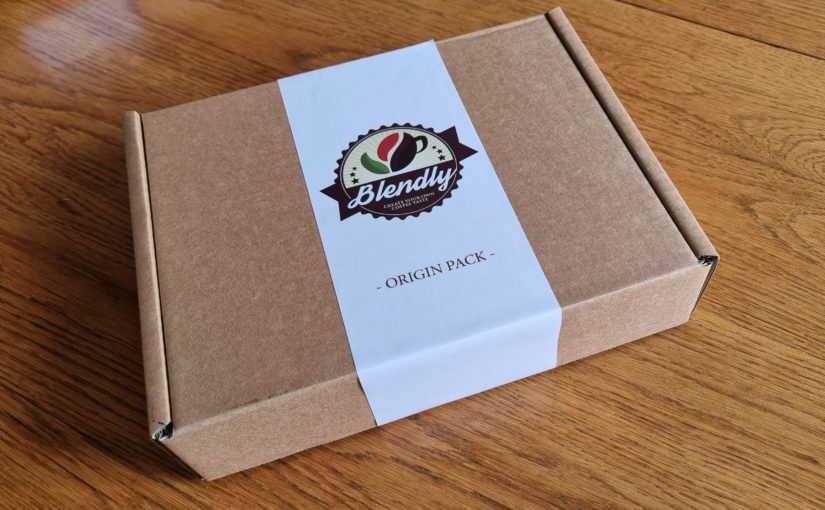
  Blendly.co.uk work with companies, In this uncertain world. Blendly PAAS is a digital platform that allows volume coffee users to create their own unique blends of coffee using a wide range of high-quality green coffee beans from around the world. Delivered using its food security system reducing the intermediaries in the coffee supply chain and allowing direct shipment across the most complex networks




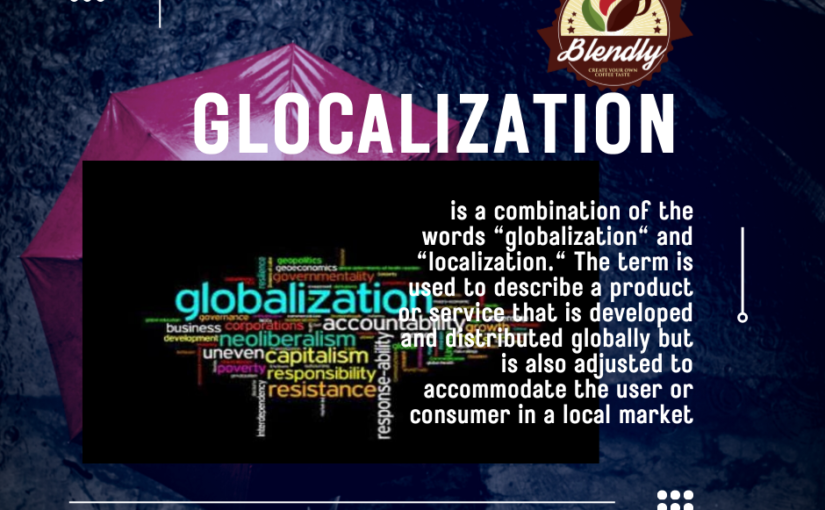 Glocalization – The Future of Coffee Shops in the UK
 The Low-Carbon Economy and Its Impact On Businesses – Navigating a Decentralized World
 The Blendly Model Differs From Traditional Commercial Coffee Roasters














 own name to your new blend via the blendly.co.uk portal. The portal allows you to add components to your blend and select beans from all over the world you can add your blend allowing you to share your blend with other blendly.co.uk customers
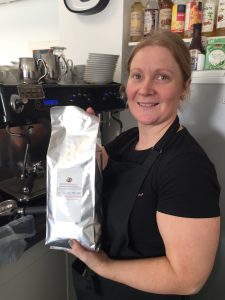 STEP THREE:- Once you have gone through the check and ordered your blend it will arrive in a few days you can also publish your blend to the Blendly.co.uk marketplace and share your tasting notes with other baristas, or you can select from the many blends already published. Blendly Offers monthly subscriptions that allow you an allowance of coffee every month that you can use to create great coffee or share your coffee with friends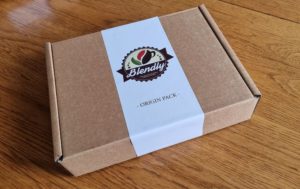
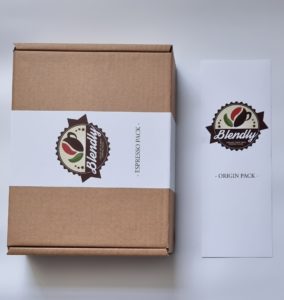 with becoming a “home Barista” and consumers are becoming more confident with their coffee-making capabilities. blendly offers Online tools that allow home baristas to understand more about what they can achieve in terms of taste and body from the creation of their own Coffee blend